

EV charging
Chargers for homes, company fleets and businesses that want to offer charging to their customers. With solar, your car charges on your own power.
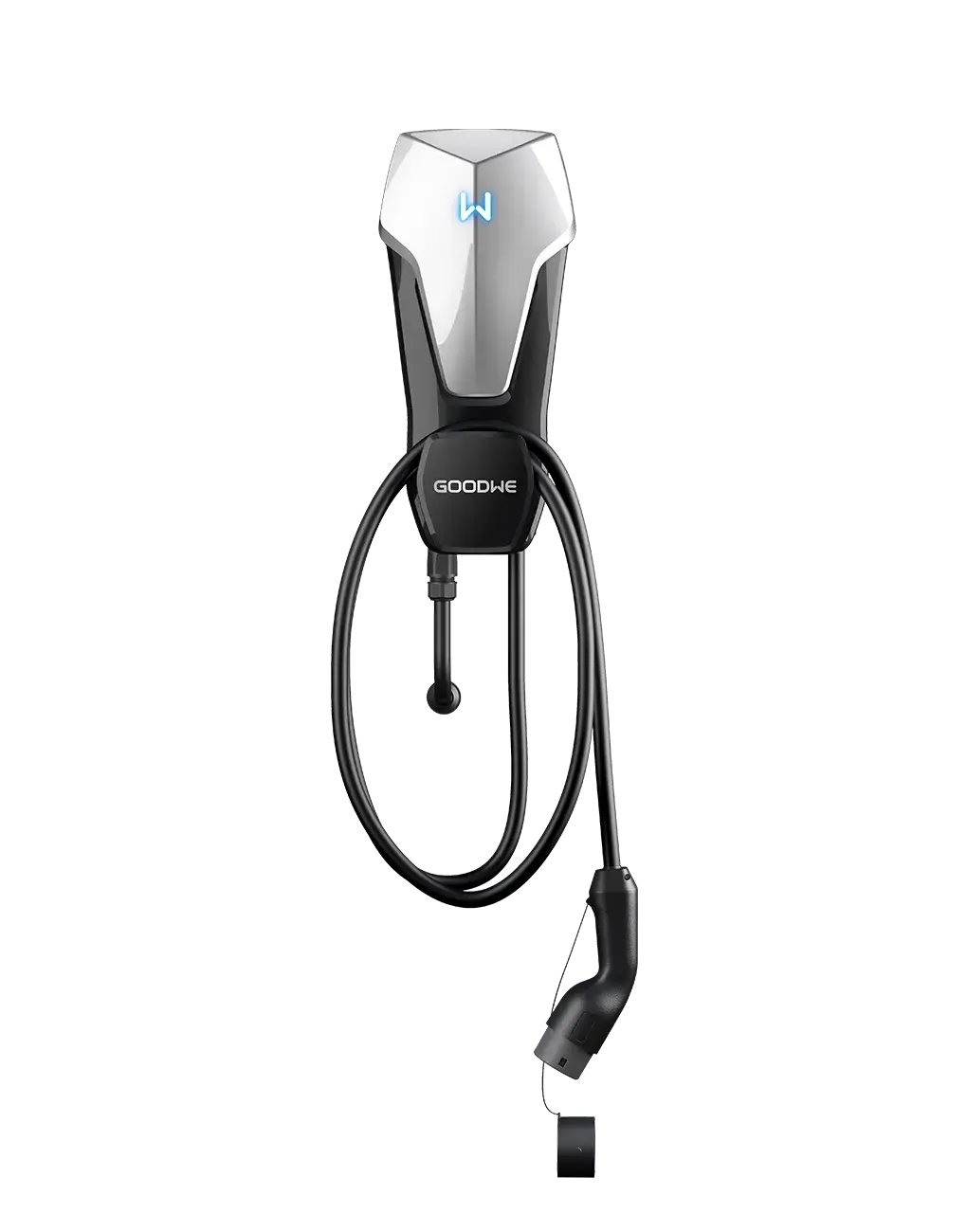
Charging where you park
An electric car uses about 15–18 kWh per 100 km.
A wall charger (wallbox) connects to the building's fuse board and charges safely and much faster than an ordinary socket. With a smart charger you set when it charges and at what power.
In a home with solar, the charger can run on surplus from the panels alone. That way, energy that would otherwise go to the grid for little money drives your car.
| Energy (16 kWh/100 km) | 2,400 kWh |
| From the grid | 384 € |
| 50% from solar | 264 € (the value you'd get by selling it) |
Assumptions used in the examples: electricity price 0.16 €/kWh, surplus payment 0.06 €/kWh, heating oil 1.15 €/litre, Athens. Figures are indicative. Our study works out your own numbers.
Which charger suits you
The power you can install depends on your supply. We check it during the site survey.
| Type | Power | Time for 100 km | Best for |
|---|---|---|---|
| Single-phase AC wallbox | up to 7.4 kW | ≈ 2 – 2.5 hours | Homes, charging at midday from the sun or in the evening |
| Three-phase AC wallbox | 11 – 22 kW | ≈ 1 – 1.5 hours | Businesses, hotels, company fleets |
| DC rapid charger | from 30 kW | ≈ 15 – 30 minutes | Sites with a fast turnover of vehicles |
For homes and businesses
- Private owners who charge their car at home.
- Businesses with an electric fleet.
- Hotels, restaurants, cafés, shops and supermarkets that want a charging point for customers.
What you gain
Charging from the sun
The car soaks up your solar system's midday surplus.
Load management
The charger shares out the power so your supply limit is never exceeded.
One system
Charger, solar, battery and heat pump in the same app.
Get a quote for a charger
Tell us where you park and what supply you have. We'll recommend a charger and price the installation.